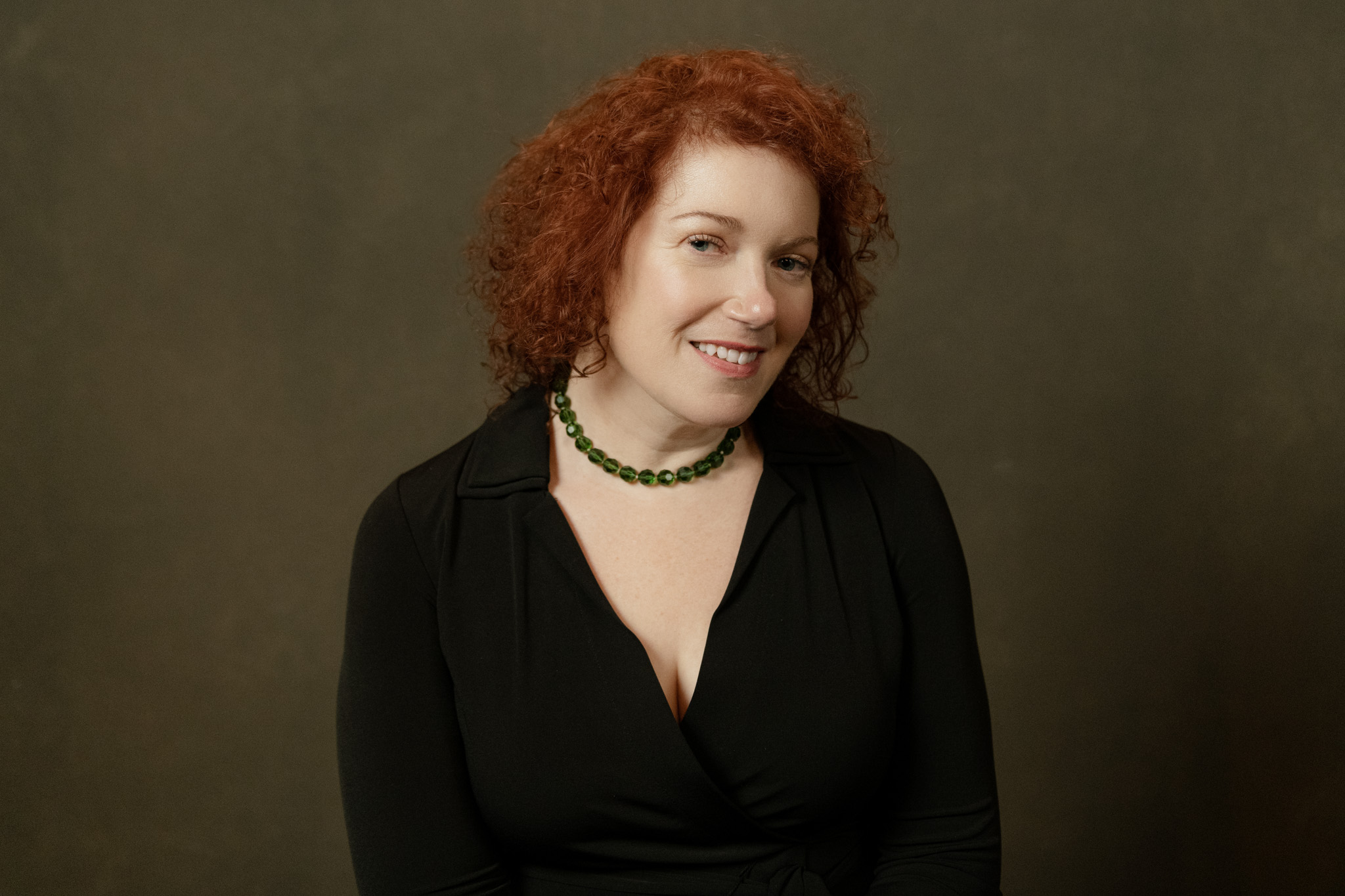
The 'process note’ pieces were originally solicited by Maw Shein Win as addendum to her teaching particular poems and poetry collections for various workshops and classes. This process note and poems by Molly Fisk are part of her curriculum for Maker, Mentor, Muse and poetry classes at the University of San Francisco and Saint Mary’s College of California. Thank you for reading.

My interest in “the west”
as a fictional place has been pretty steady since I was a little girl, but a
couple of pieces caught my eye in adulthood, and I'll bet they were part of the
spark for Walking Wheel. One is Molly Gloss's The Jump-Off Creek,
about a single woman homesteader in Oregon, which I loved and sold many copies
of when I worked in a bookstore in the 1990s.
The other horrified me:
Annie Proulx's short story "Them Old Cowboy Songs" (from her book Fine Just the Way It Is), about a
young couple who have a baby and every possible disaster occurs, leaving all of
them dead at the end. Right from the get-go, I wanted to describe the
incredible amount of work it took to stay alive in this kind of rural terrain,
and also have nothing bad happen to my characters.
I'm pretty sure I wrote the
first poem after a young woman entered my head in 1998 when I was sitting on a
sofa in a rented cottage on Cape Cod with some writer friends. Everyone thinks
I must have done a lot of research, but most of what's in here I knew about
from reading and living and movies. I did have to double check a few things to
verify them, though. I'm horribly likely to think I'm always right.
Someone asked me why I
wanted to explore this century and these lives. I'm afraid I never consciously think about
where a book is going or what it's exploring. I'm not analytical about the
process, or trying to steer. I let things unfold and see what happens.
I was noticing some of the skills my friends and I have and regularly use, we who are now in our 60s through 80s, that younger people, and especially city-dwellers, don't seem to have. Making fires in a woodstove, cooking things from scratch, putting up jam, sewing and knitting, repairing. One of my grandmothers taught me a lot, when I'd stay with her in the summer, so I was also thinking of the circumstances under which we learn skills and pass them on.
Nevada City, California, where I've lived for 30 years, is a Gold Rush town, so I'm surrounded by buildings and a landscape that refers to the past, not just for tourists but for those of us who've been here a while and watched it change. Many of us know the trees that were imported by early settlers, grown from seeds someone brought west, like Little-Leaf Lindens, and Mirabelle plums. There's an abiding sense of history running beneath everyday life that I think affected me. Not everyone feels this, but a poet's job is to slow down and notice things, and I think I wanted to recreate the pace of life in an unelectrified, uncomputerized world. The pace and also the effort required.
I purposefully didn't set the book here, it's up in Cedarville, in the Surprise Valley, a place I came across on a road trip and feel oddly attached to. And I set the book after the Gold Rush, so this couple is second-generation, their parents crossed the country in covered wagons, but they were born in Oregon. The Gold Rush ushered in a lot of damage to the people and landscape throughout the west, and I discuss my feelings and decisions about that in an afterword to the book. My lineage is white New Englanders from way back, and Walking Wheel is a likely story about those people, but I'm paying attention to colonialism as a background to it, if not mentioning it specifically in the text.
No individual poems were problematic, the big adventure with Walking Wheel was writing poems sporadically over twenty years without realizing I was writing a book. This is so different from my other poems and essays in subject and tone, I didn't take it seriously for a long time. By the time I figured out it was trying to be a whole book, I had a huge continuity problem.
I'd just sort of written
each poem by itself, in my mind, without reference. So I had to go back and try
to sort them out, not just for meaning in relation to the one before and the
one after, but also to not have summer last for two years, and Phoebe's pregnancy
stall out so she was in her third month for several months in a row. My early
readers helped a lot with this. Weather, crops, and gestation, those were the
problem!
It took me about a year of
working this out, some charts on the wall, pages of the book hung up in my
kitchen on garden twine as if they were laundry... Luckily, my best friend from
childhood was a midwife, so she looked at the book once I got it into a basic
order. Instead of correcting things, she gave me a timeline of average
pregnancies, so I had to do it myself, which was I'm sure the right thing to do
but Lord it was hard. I had the baby doing somersaults in utero long before
that would be possible. I also blithely mentioned an herb for tea to be drunk
during pregnancy because I liked the sound of its name—at this moment I can't
recall which one—and another friend who's a nurse told me this herb can cause
miscarriages, and I needed something else.
As I was finishing the book and the world was starting to feel more uncertain and dangerous, I thought “well, maybe this story and the slower pace can help people escape, be a distraction.” But it's turned into more than that, as I listen to reader reactions. It's comforting, but it also provides a kind of relief, a reminder about the benefits of work and love. It's a vote for humanity in a time when inhumanity is so prevalent. It is also speaking to men in some way. I've never had so many men tell me they felt seen and loved the story.
What people take away after reading a book is so varied and unpredictable. I didn't set out to say this, but now that the book is done, if I have a wish, it's that readers be reminded love is alive, and work is doable, and sometimes nothing goes wrong. That all is not lost.
A Fiddle String
Dark inside the house,
as black as the stove
pipe's
interior and her eyes
wide
as though it were noon.
Dark of the moon, no
moving air at this hour,
too early by far for
birdsong.
But in her mind's eye
she can see the softness
of his face in sleep,
how his jaw slackens,
the muscles of temple
and cheek relax. Miles
is a calm man, unhurried
and steady but he can
acquire a certain tension
at times, when the
weather
shifts to impede or hurry
his work, when a tree
falls off the mark,
akimbo,
or one of the mules won't
eat.
He doesn't borrow trouble
but he sees its tracks
and knows its scent.
Approaching fatherhood
has sharpened all his
senses,
she thinks. More to be
done.
More to protect. He isn't
afraid
of the new life, just
alert
in a different way. Tuned
like a fiddle string to a
higher
note. A scatter of stars
now,
through the open window.
They are so far from us,
she thinks. And cold. Why
do they bring me comfort?
Speculation
What are we naming this
child?
Her spine against his
ribs
as her front needs half
the bed now.
His fingers playing
through her hair.
Is it silkier? Her skin
is like moonlight.
My favorite cow was
called Bess,
he says. A Jersey.
Her laugh shakes them
both
and her belly ripples.
Miles!
That won't do for a boy,
though, I agree. How
about Spike,
if it's a boy?
SPIKE?
Or Aloysius?
Have you been drinking
before
breakfast? Be serious.
You married an unserious
man,
as you may remember.
There's no going back
now.
She smiles. The dog yawns
and stretches on the rug,
dozing
again, dawn just hinting
at the square shapes of
the windows.
None of the virtues, she says.
What? He'd been thinking of something else.
Patience, Prudence,
Constance.
I think they chide a
baby.
How about the sins?
Gluttony Imlay has a nice
ring.
Oh, hush!
Maybe we need another
songbird
in the family? But not
another pilgrim.
Perhaps the wee one will
announce
its name on arrival.
I've always liked Justin,
she
says,
if it's a boy.
The Silence
The clouds have been low
all day
and the air biting,
sometimes wind
careening down the
valley, pine cones
and small branches
snapped and dropping
in its wake. Sometimes an
uncanny
stillness, but not for
long, as though
the weather is of two
minds, arguing
with itself. They have
fed
and bedded the animals
early, with extra
hay for warmth. Bright in
his stall calmly
chewing, Lion restive,
aware of something
at large in the world and
not happy
about it, always the more
high-strung.
Miles hopes he'll absorb
some of Bright's
equanimity over time,
though there
is no evidence of that
yet. Chickens
roosting, quiet. The
goats wide-eyed.
Miles double-checks the
door latches
and brings a shovel with
him up to the house.
The shutters have been
closed for weeks
against the cold — no
chinks of light
shine out to greet him,
thankfully.
Their first winter here,
together, their first
big storm, he hopes there
will be no
unlooked for surprises.
Plenty of wood.
As he opens the door,
warmth and the smell
of supper hitting him
full force, and Phoebe's
half-worried smile, the
silence falls —
always a wonder to him.
Not an absence
of sound but its own
living presence.
The first flakes lightly,
sparsely, almost
as if they were dancing,
drift down.
Bathing
On Saturday nights, Phoebe and Miles
take their weekly bath. This is one of the secret
luxuries of marriage: only two bodies
to be cleaned in the steaming water, rather
than the multitudes at home. Phoebe hauls
the first two buckets and builds the fire up
in the stove. The kettles hiss a little
and the cabin’s air gathers humidity. Miles
hauls the next and strips as Phoebe pours
the hot water into her wash tub and refills
the kettles with what he’s carried. Before he
steps in, his body stark white where his clothes
have covered him and acorn-brown at his neck
and forearms which have been bare, Phoebe
pours in another measure of cold. She hands him
a square of the soap she’s made, scented
with mint from her mother’s garden, a cooling odor.
He rubs its harsh surface down his shins and scrubs
his feet, wets arms and chest, shoulders, lathers
the brown hair of his groin and thighs.
Phoebe pours water from the kettles, not fully
hot yet, over his hair, down his back and soaps
and rinses. Gradually his skin loses its deep brown
as grime and the salts of his body are sluiced away,
and his white parts become rosy with heat.
When he is done, she stands ready in her shift.
She empties the kettles into the tub and steps in,
slipping the cotton over her head. While Miles
dries his back and legs he watches the way
she bends and straightens, attending to toes, heels,
under her arms and breasts, the slight moon-shape
her belly makes now, her long white flanks, her face.
He soaps her back for her and pours the rinse water
over her hair twice, three times, her neck arched
back and her eyes closed. These rituals almost
always end in their bed with tongues and minty
fingertips, but not before she has dried herself,
showing him the apple of her bottom and the dark
vee of hair veiling what’s between her legs.
He almost cannot bear the exquisiteness of waiting
as she dries her hair beside the stove, so he walks out
naked to the porch and hurls the cooling wash-water
over the rail.

Molly Fisk sent poets into schools state-wide and edited California Fire & Water, A Climate Crisis Anthology, with a Poets Laureate Fellowship from the Academy of American Poets. She's received support from the National Endowment for the Arts, California Arts Council, and Corporation for Public Broadcasting. Author of The More Difficult Beauty, Listening to Winter, and five volumes of radio commentary, her new collection Walking Wheel, a novel-in-verse, is just out from Red Hen Press. She lives in California's Sierra foothills.